
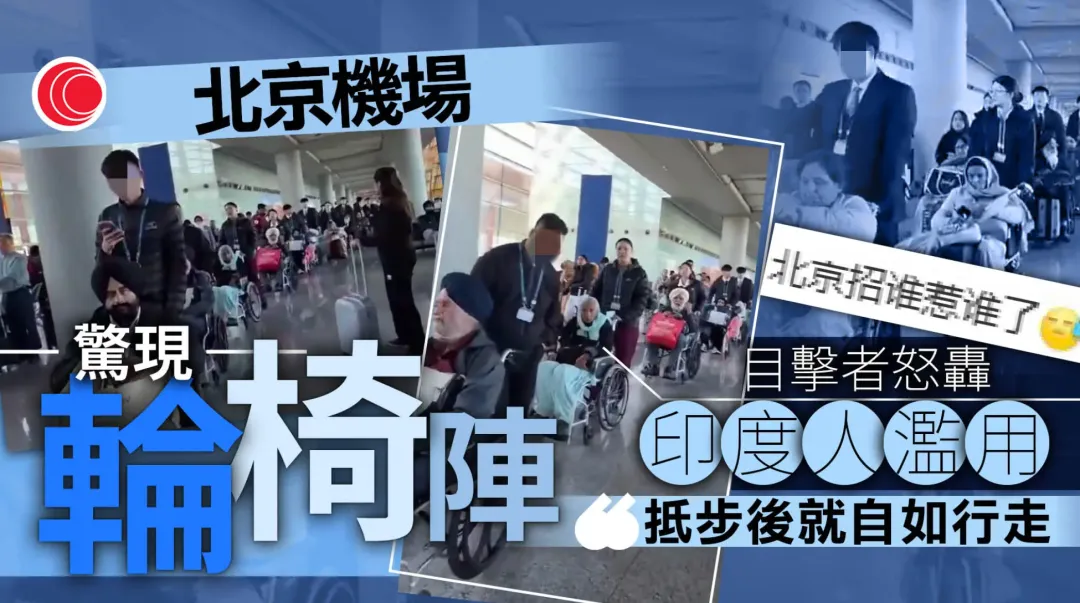
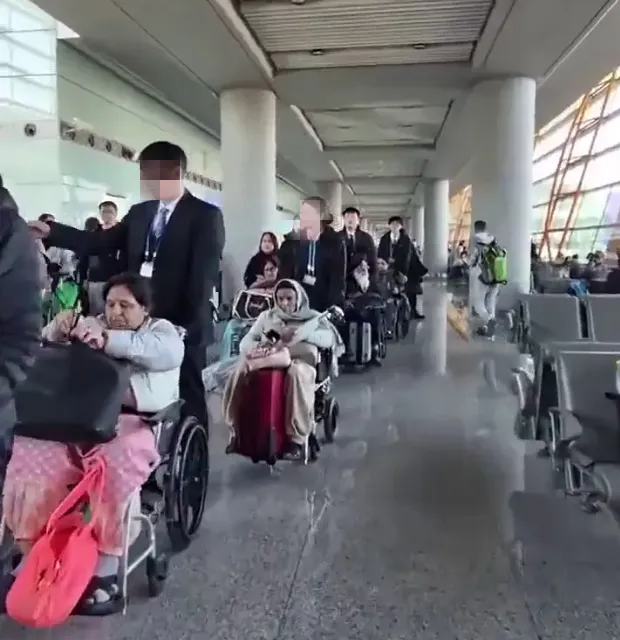
In recent days, there has been an alarming episode in the flight to Vancouver, Toronto, Canada, of Beijing Capital Airport: a large number of Indian passengers have applied for a free wheelchair service, were driven by ground staff for security clearance and were given preferential access.
The topic was one of microblogging.

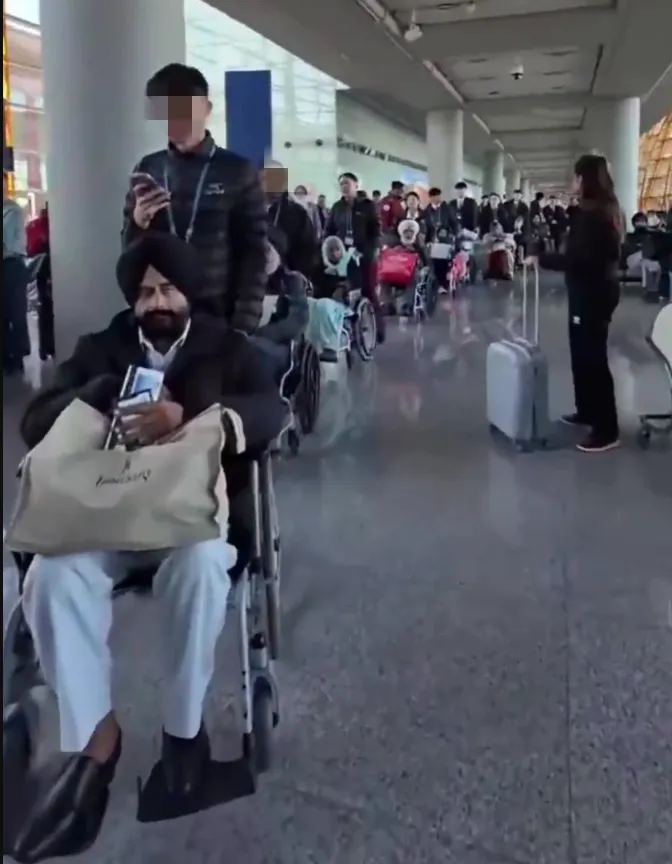
Internet users share in social media that dozens of well-equipped passengers on a flight apply for wheelchairs, and that teams can't look at the side, it's a crash!
However, when the aircraft arrived in Canada, a number of people suddenly acted as if they were carrying their luggage on foot. "Medical Miracles".
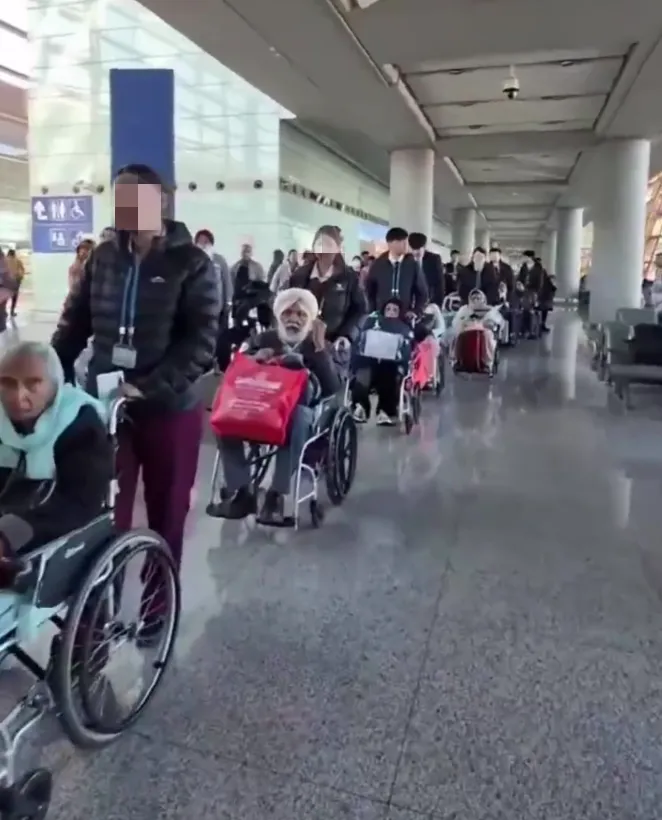
According to numerous media reports, similar situations have been repeated on many international flights, where accessibility services for the elderly and disabled have been turned into free VIP access at airports for some.
This cynicism, which requires wheelchairs and decomposition, triggers online debate. The Indian wheelchair army is now at global airports.


According to social media sources, from 9 to 10 November, a large number of Indian passengers applied for free wheelchair services at Beijing Capital International Airport in various flight boarding areas to Vancouver and Toronto.
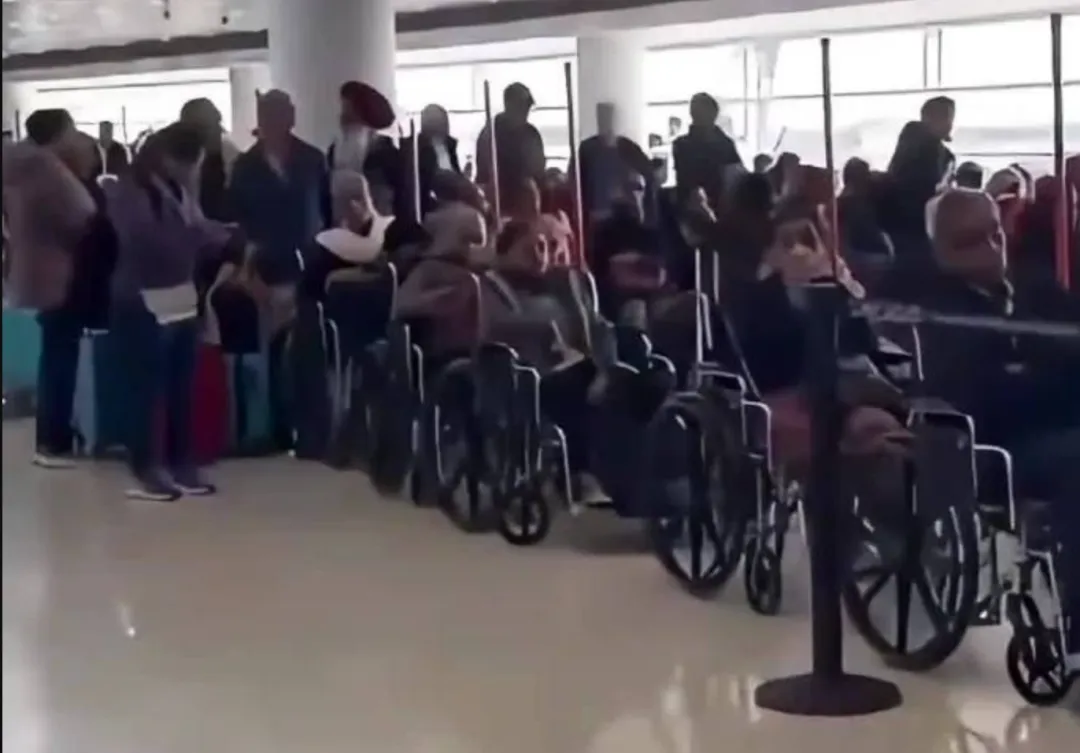
The live footage shows that many passengers are in wheelchairs, driven by staff, processed through special corridors and enjoy preferential boarding arrangements.
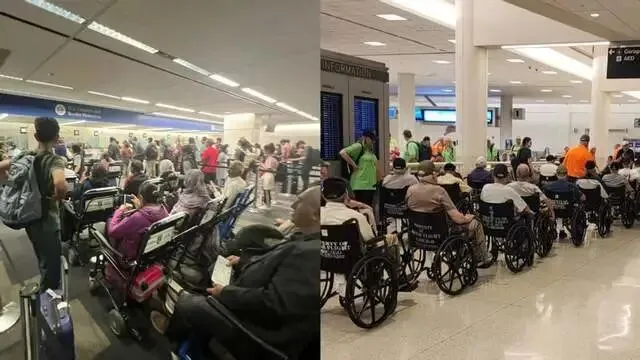
According to video footage taken by fellow passengers, there were dozens of passengers on a flight who applied for wheelchair services, which was quite impressive.
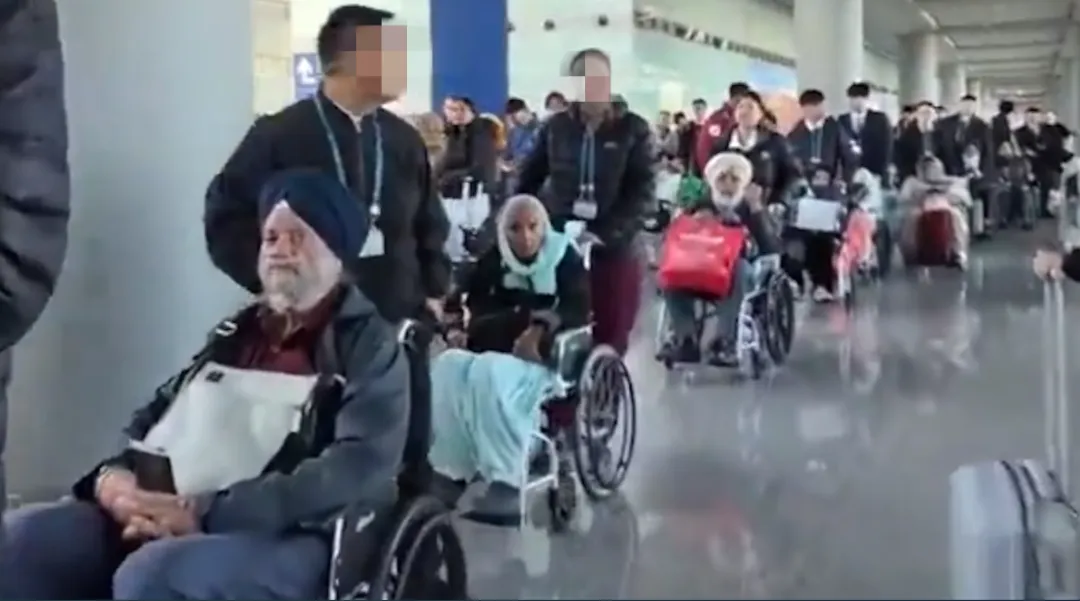
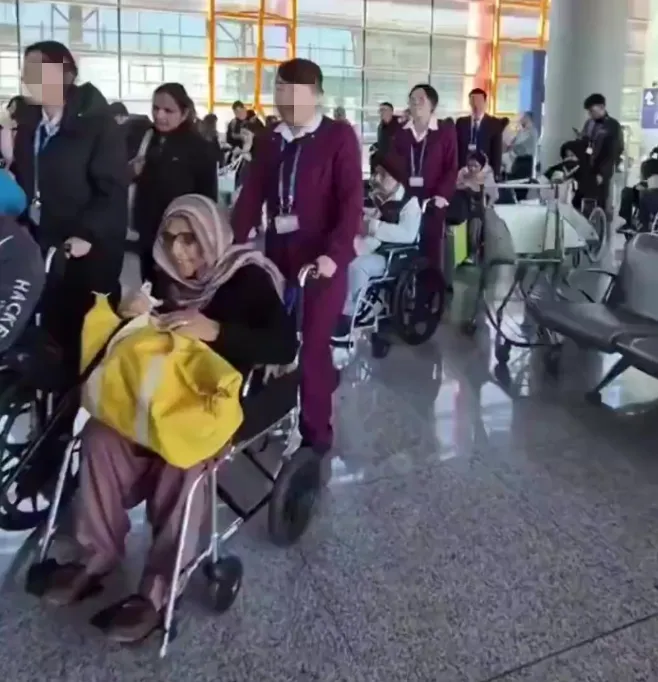
What is even more surprising, however, is that when a flight arrives in Canada, some passengers who apply for wheelchair services do not need staff to stand up from their wheelchairs and carry their luggage to the area of entry and appear to be very flexible.
In October of this year, more egregious events occurred at Suwanap Airport in Bangkok, Thailand.
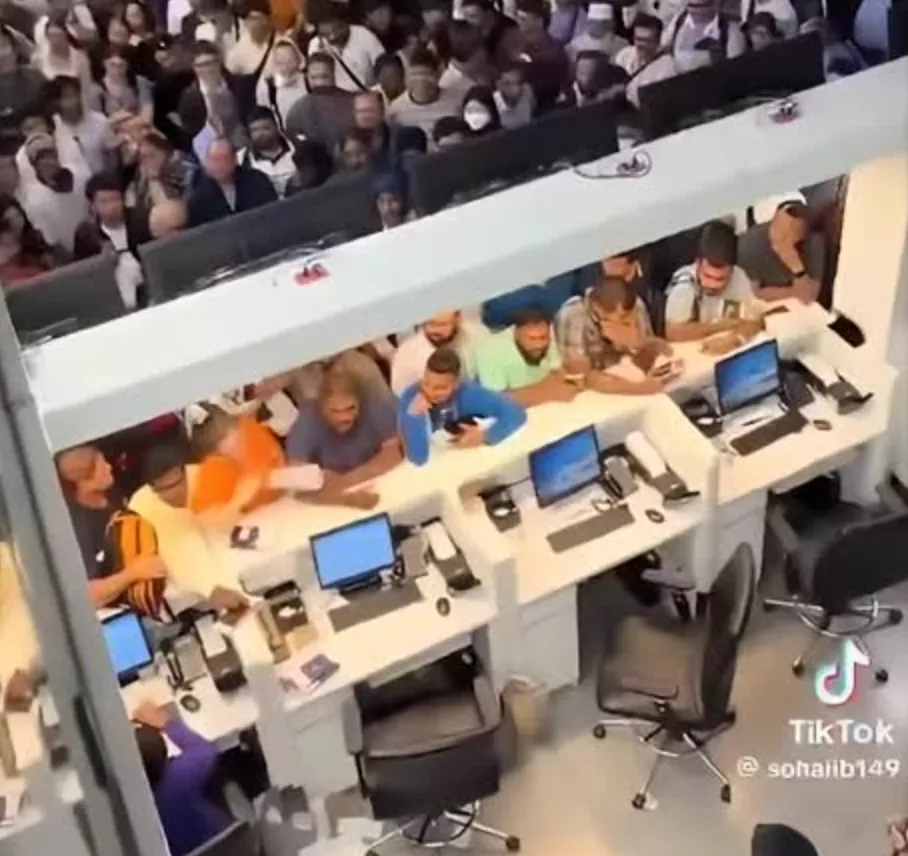
According to the Civil Aviation Resource Network, at the end of September this year, airport staff stopped providing services to some passengers for lack of wheelchairs because of the large number of Indian passengers who applied for free wheelchairs, which led to a live dispute and a major hit-and-run by Indians.
There were a lot of people blocking the counter to express their dissatisfaction, and there was some confusion.
According to Indian media reports, on 19 February 2025, an Indian airline flight from Delhi to Chicago, United States, received 99 applications for wheelchairs.
There were also 89 applications for flights from Delhi to Newark on 20 March. The former is close to one third of all air travelers.
It has been reported that Indian Air provides about 100,000 free wheelchairs per month and that the average monthly service of Indian Air Luxury has even reached about 170,000.
Earlier this year, there was also a description by staff at Chiang Mai Airport in Thailand of some Indian passengers who had been hauling their luggage for one minute and had arrived at the corridor gate, but were skilled enough to sit in a wheelchair waiting for staff to be delivered.
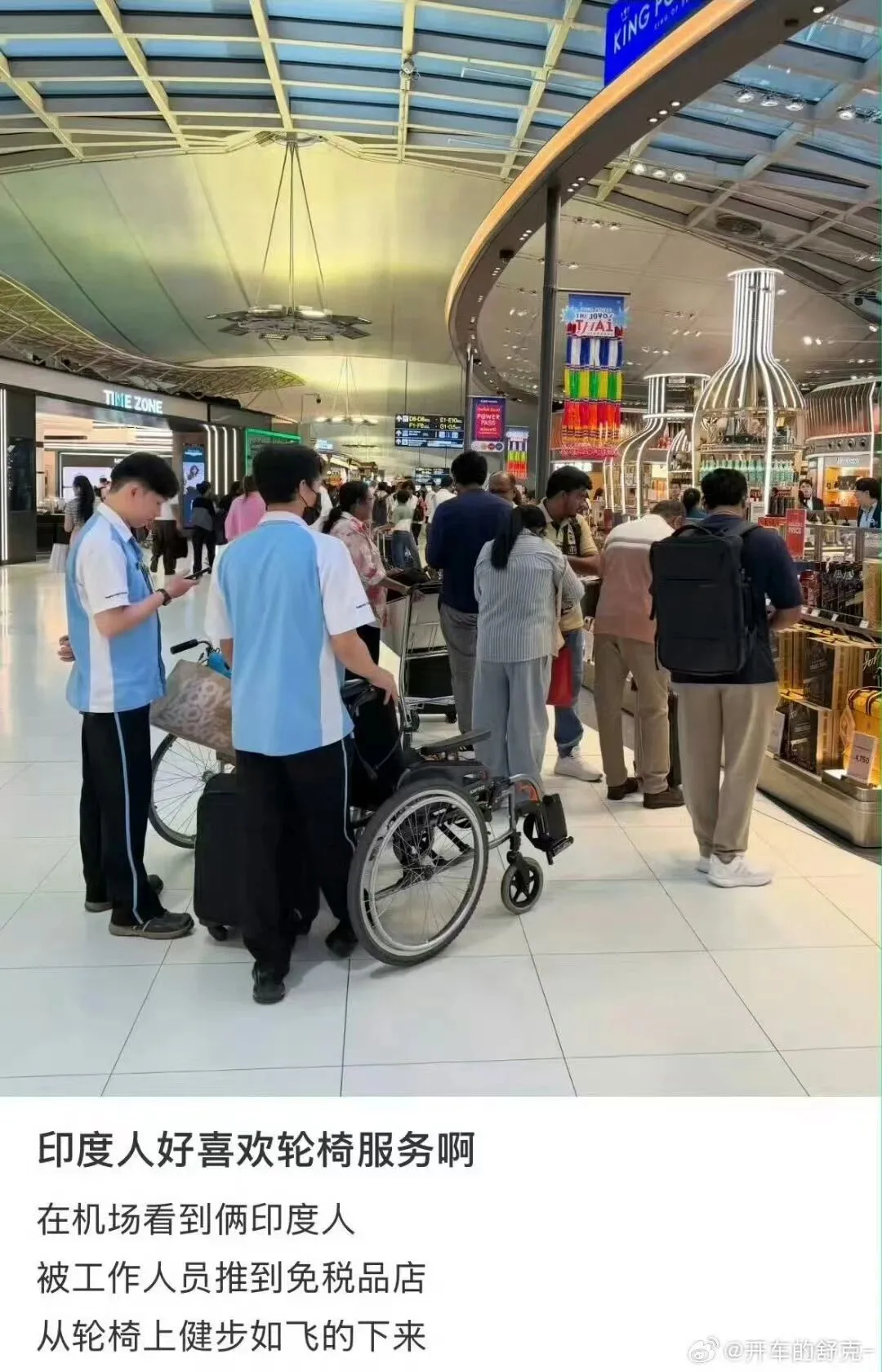
A similar situation has occurred at Chinese airports. In April of this year, Shanghai netizens posted that an Indian passenger who had been in a wheelchair had been pushed by staff members near the tax-free shop and had suddenly stepped up and went shopping.
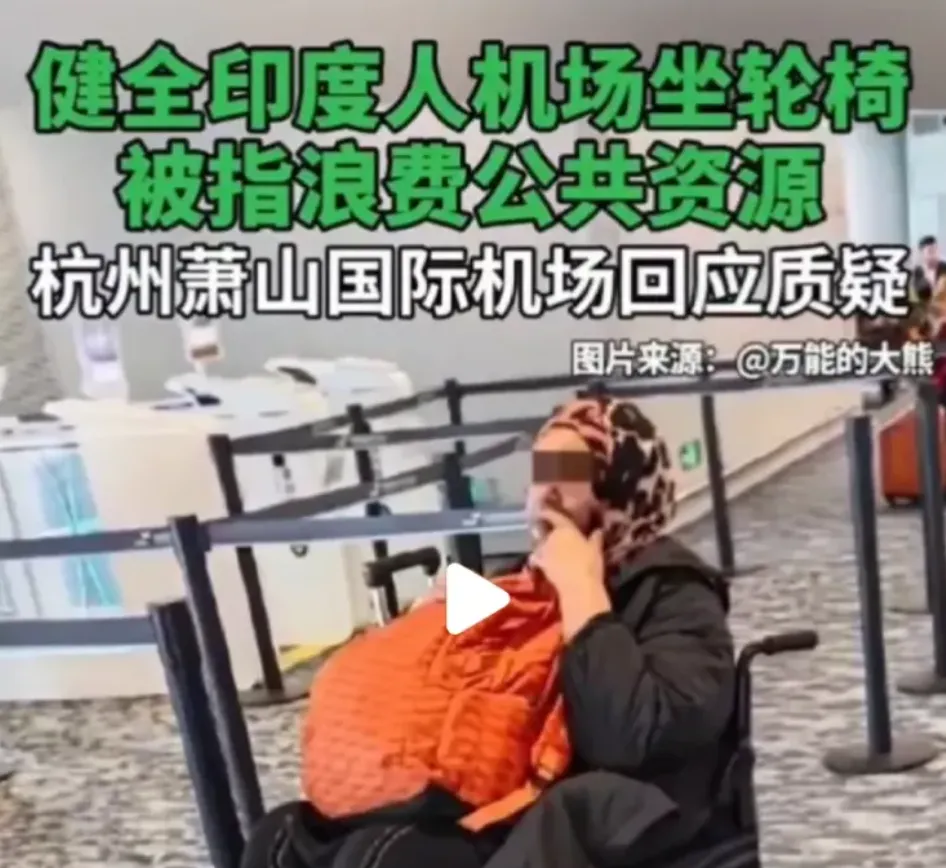
Last November, the Hangzhou Xiaoshan International Airport was also hot-searched by several Indian passengers in wheelchairs via video footage from the airport.
Airport responses indicated that the wheelchairs in the video were provided by airlines and were not public wheelchairs provided by the airport outside the screening area.
According to airport staff, many people misuse airport wheelchairs because wheelchair services usually provide many facilities, such as preferential boarding.
When a passenger applies for a wheelchair, staff members often provide assistance throughout the flight from on-board, security clearance and boarding.
At large airports, they may also be responsible for steering flights, searching for boarding points and transporting passengers to the baggage extraction areas.
For long-distance international flights, this means less walking and less queuing and also saves the trouble of finding a way at large airports.
At the same time, the application for wheelchairs is very easy. National aviation accessibility regulations emphasize the protection of the rights and privacy of persons with disabilities.
In the United States Air Carrier Access Act (ACAAA), for example, airlines are not free to require a passenger to provide a certificate of disability or a medical record as a condition for applying for general operational assistance.
The application process was relatively simple and gave some people the opportunity to drill.
Barry Biffle, Managing Director of the Affordable Airlines in the United States, had publicly criticized the large-scale misuse of special support services in the aviation industry.
He cited, for example, the fact that some flights had taken off with more than 20 passengers in wheelchairs, leaving only three of those who actually needed wheelchair assistance upon arrival.
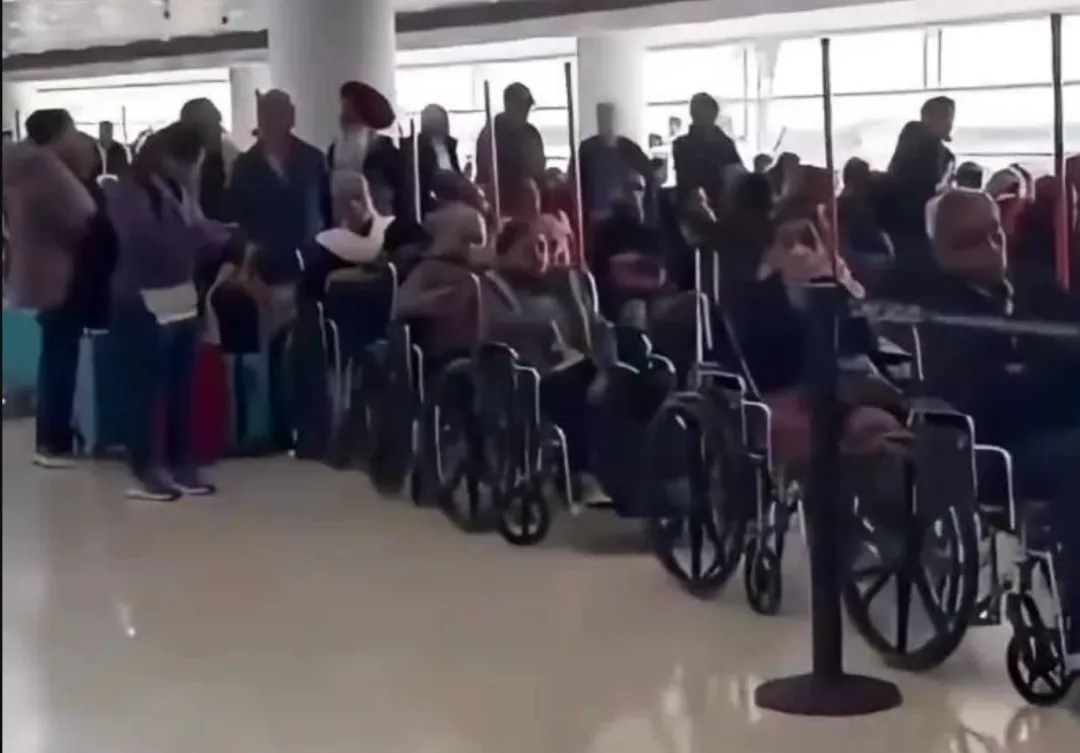
The video generated considerable discussion after its dissemination on social platforms.
Many netizens believe that wheelchair services, which are intended for people with real mobility difficulties, are now considered a free priority, not only to divert public resources, but also to deny timely services to the elderly and disabled who are in real need.
There is a small number of wheelchairs at the airport, and if a large number of passengers are taken early, those with real mobility difficulties will have to wait.
However, it was also cautioned that a person should not be judged solely on the basis of appearance as to whether a wheelchair was needed. Some diseases are not apparent, and some older persons, although able to stand, are unable to walk for long periods of time; others are not familiar with English and the airport environment and apply for wheelchairs in order to avoid difficulties in transiting.
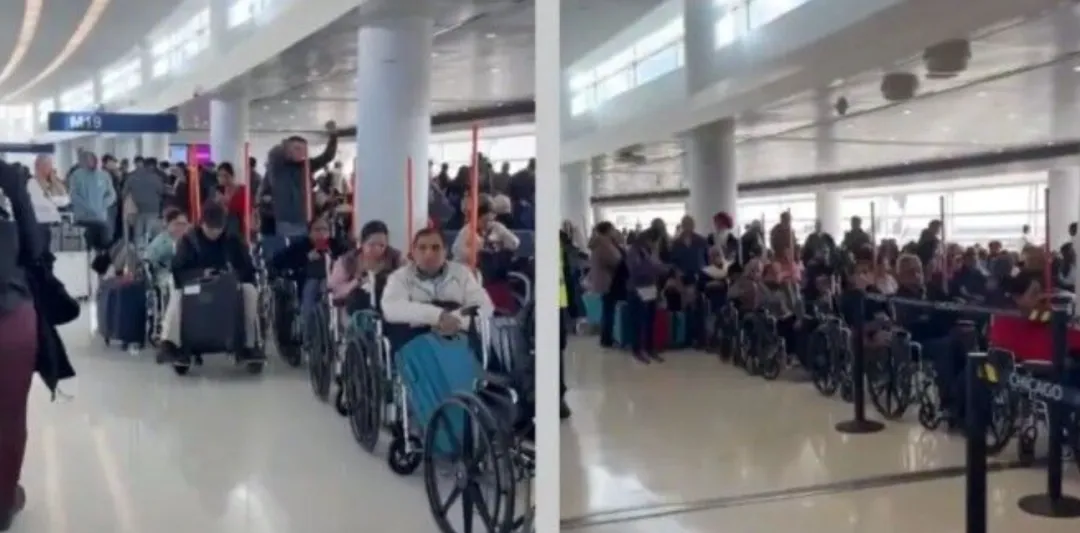
Indeed, the purpose of the airport wheelchair service was to facilitate the smooth travel of persons who could not independently complete the airport journey.
But if a large number of passengers without physical mobility problems apply for wheelchairs just to line up and walk less, it is likely that those in real need will be affected.
Integration of online information